.png)
You Know the Movie. Here’s How It Came Together.
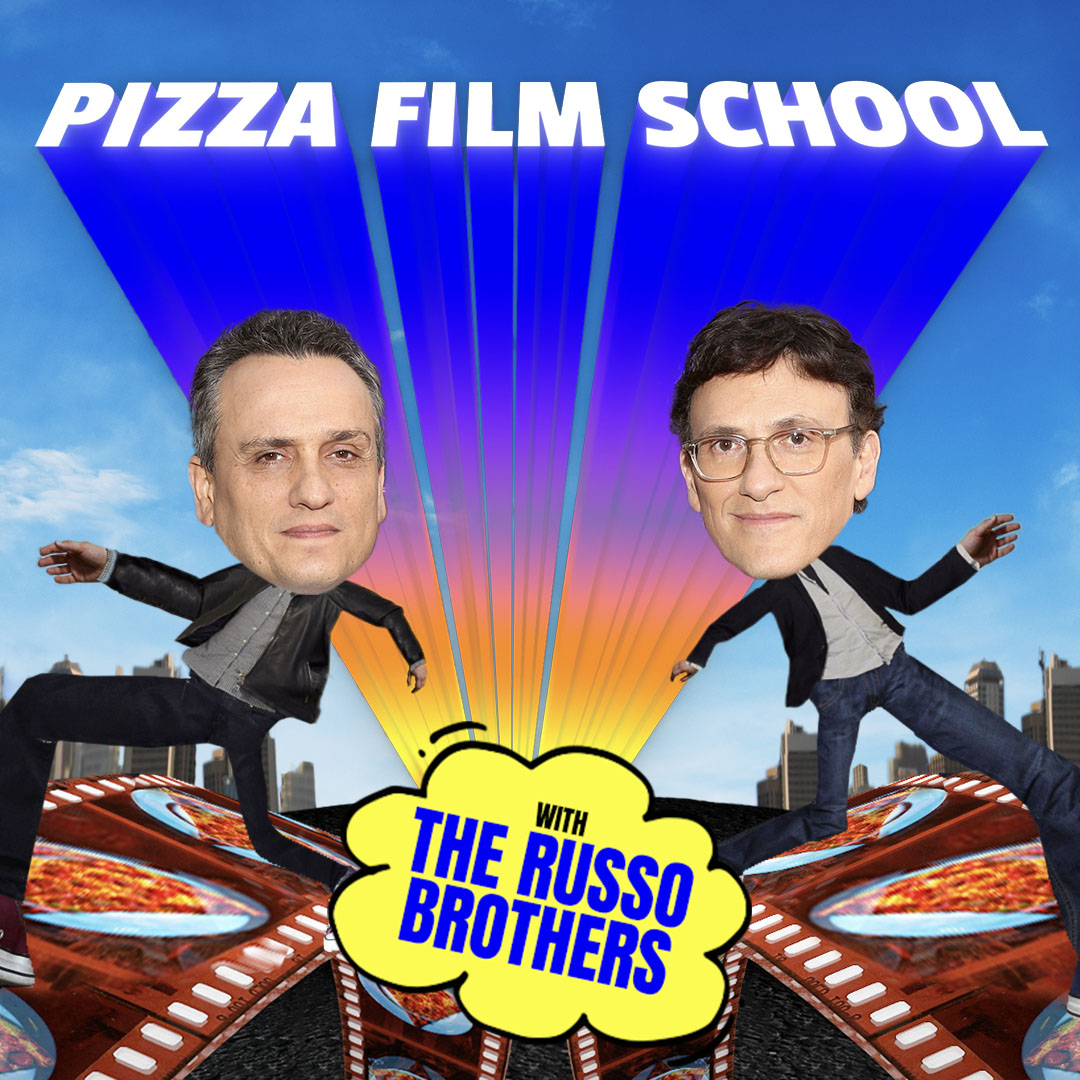
Season 3 of AGBO’s Pizza Film School takes a seat with the Russo Brothers’ close collaborators who have worked with them on many projects such as Captain America, The Gray Man, and, of course, Avengers: Endgame. As Joe Russo puts it, the season explores “the world of AGBO’s essential creative partners,” featuring the people behind everything from casting and cinematography to music, visual effects, and more.
The result is a collection of stories that offer a whole new look at how Avengers: Endgame came together. From choices that shaped its characters to the thinking behind some of its biggest moments, here are a few stories from the people who were there.
EPISODE 1: Christopher Markus & Stephen McFeely: Making Thanos the Main Character
Before the Snap, Cap wielding Mjolnir, or any of Endgame’s biggest moments made it to the screen, they might have existed as nothing more than an index card. That’s how screenwriters Christopher Markus and Stephen McFeely begin piecing an Avengers movie together: moving cards around, tossing some out, and eventually finding the story that connects them all.
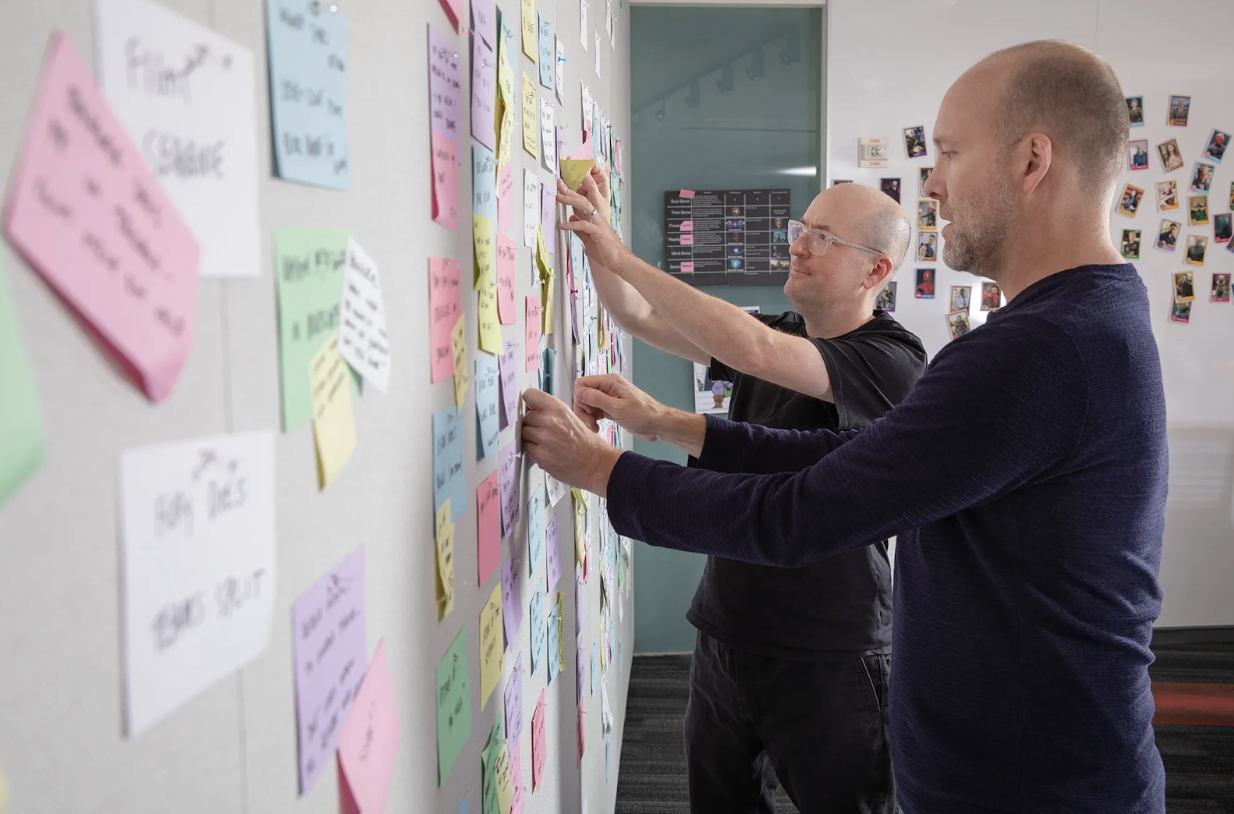
And with Infinity War, there was a lot to fit in. The film had 23 heroes to juggle, but it also needed to give Thanos enough room to become more than just the villain they were all fighting.
Eventually, Markus and McFeely realized they were looking at the story from the wrong side. What if Infinity War wasn’t really about the Avengers? What if it was Thanos’ movie? Once they made that switch, the story started to make sense. Suddenly, the Snap wasn’t just a devastating ending. It was the end of Thanos’ story and, in his eyes, a victory.
That decision also opened the door for Endgame. With Thanos victorious and half the universe gone, the writers could begin somewhere unexpected: with their heroes already defeated.
Markus describes Endgame as “a three-hour, many-hundreds-of-millions-of-dollars meditation on grief.” Before the Avengers could save the universe again, the story became about watching each of them live with loss, some more successfully than others.
As Anthony Russo remembers, once they made that unconventional shift toward Thanos, a story that had been “collapsing under the weight” of its enormous cast suddenly became much easier to piece together.
EPISODE 2: Sarah Finn: Finding the Faces of the MCU
By Avengers: Endgame, it’s almost impossible to imagine anyone else as Tony Stark, Steve Rogers, or Peter Parker. But according to casting director Sarah Finn, some of the MCU’s most defining casting choices were far from obvious at the time.
For Finn, the right casting often comes down to recognizing the qualities an actor already brings to a character. Chris Evans, for example, was initially overlooked because of an unofficial rule against casting actors who had already appeared in superhero films. But Finn felt he was, as she put it, “hiding in plain sight,” seeing in him the humility and moral center they needed for Captain America. Eventually, she asked the team, “Why can’t we talk about him?”
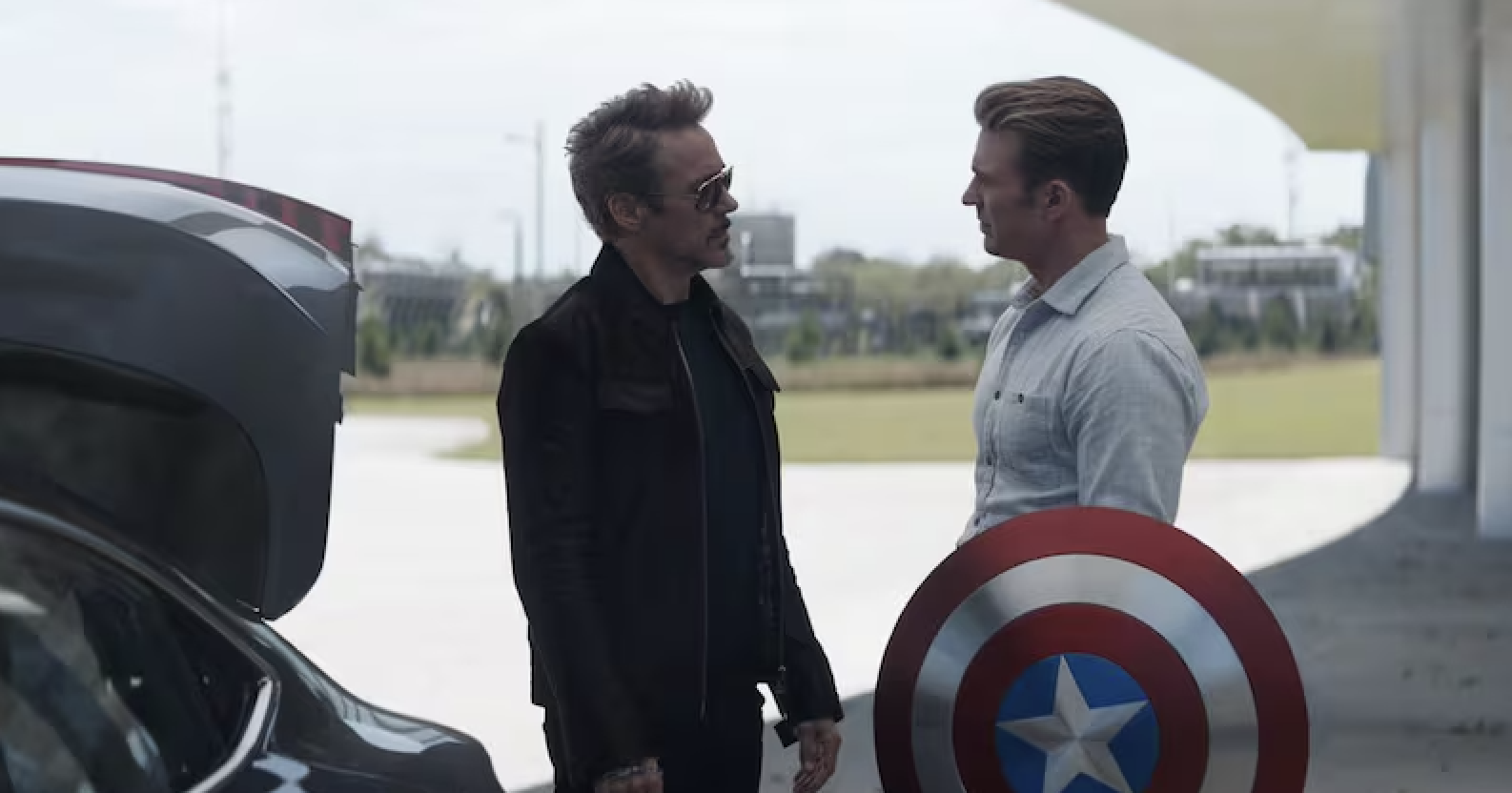
Robert Downey Jr. faced an even bigger hurdle. Despite Finn and Jon Favreau believing he was right for Tony Stark, concerns about his past and whether audiences would accept him as a family-friendly action star made it difficult to get him approved. Finn’s solution was simple: let him screen test. “Within the first 30 seconds,” she remembers, his casting became “completely undeniable.”
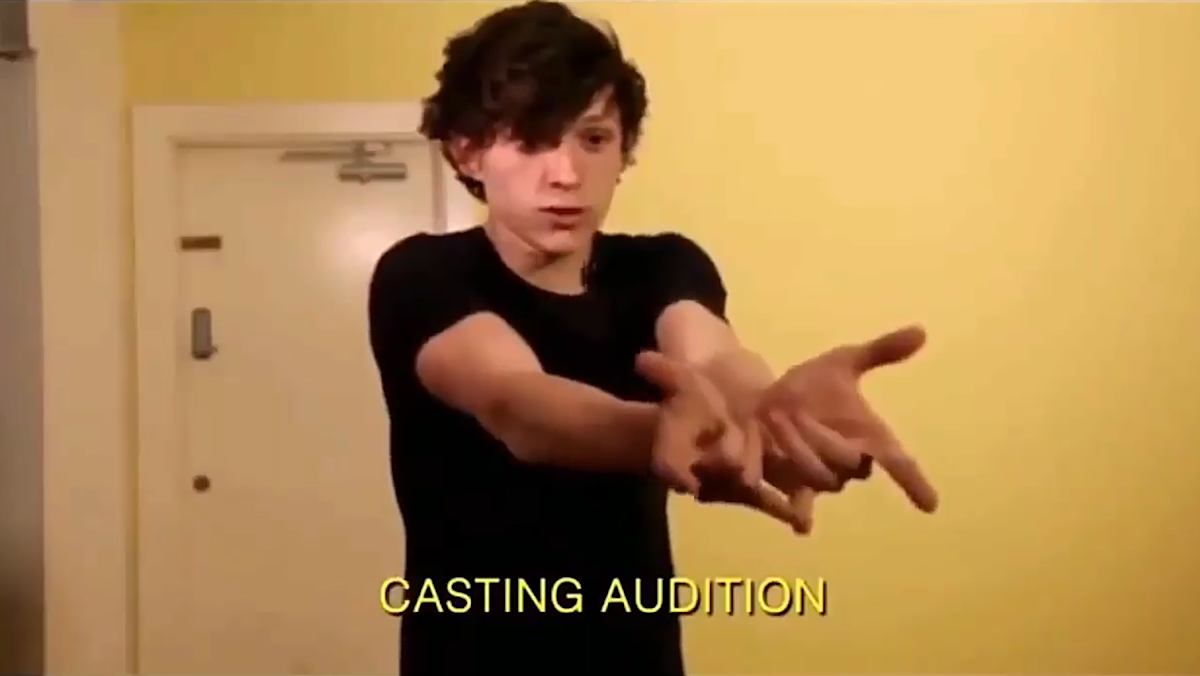
Then came Spider-Man. Tom Holland went through six or seven auditions, including screen tests with Downey and Evans. Finn remembers telling him to “embrace your inner nerd” and dial back some of his natural coolness. And somewhere along the way, Peter Parker started to emerge.

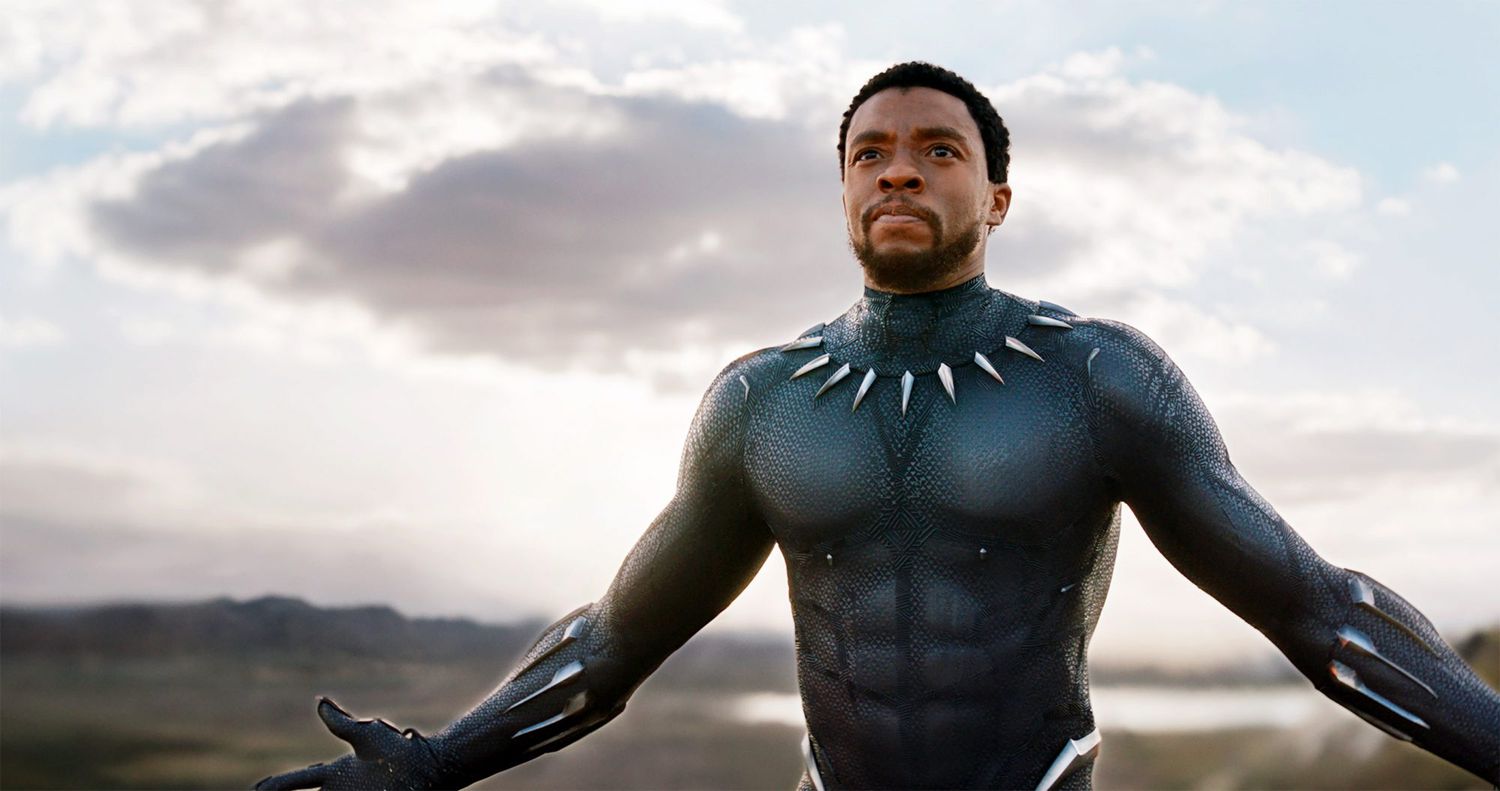
Chadwick Boseman was a different story. “Everyone knew Chadwick,” Joe Russo remembers. “He was an incredible actor.” The decision was unanimous enough that there was no lengthy audition process, just an offer. Joe remembers calling Boseman while he was in a car in Switzerland, and within about ten minutes, the conversation was essentially: We would love for you to do this. Boseman’s answer: I would love to do it.
For Anthony Russo, the confidence came from already knowing Boseman’s work. He remembers him as an actor emerging as a “generational talent,” someone they knew could carry the responsibility of bringing T’Challa to the screen.
By Endgame, Downey, Evans, and Holland felt like obvious choices. Of course, that’s easy to say after watching them become Tony Stark, Steve Rogers, Peter Parker, and T’Challa. But getting there meant something different each time: fighting for an unexpected choice, putting someone through audition after audition, or simply recognizing when the right actor was already obvious.
EPISODE 3: Judianna Makovsky: Designing a Superhero Suit That Actually Works
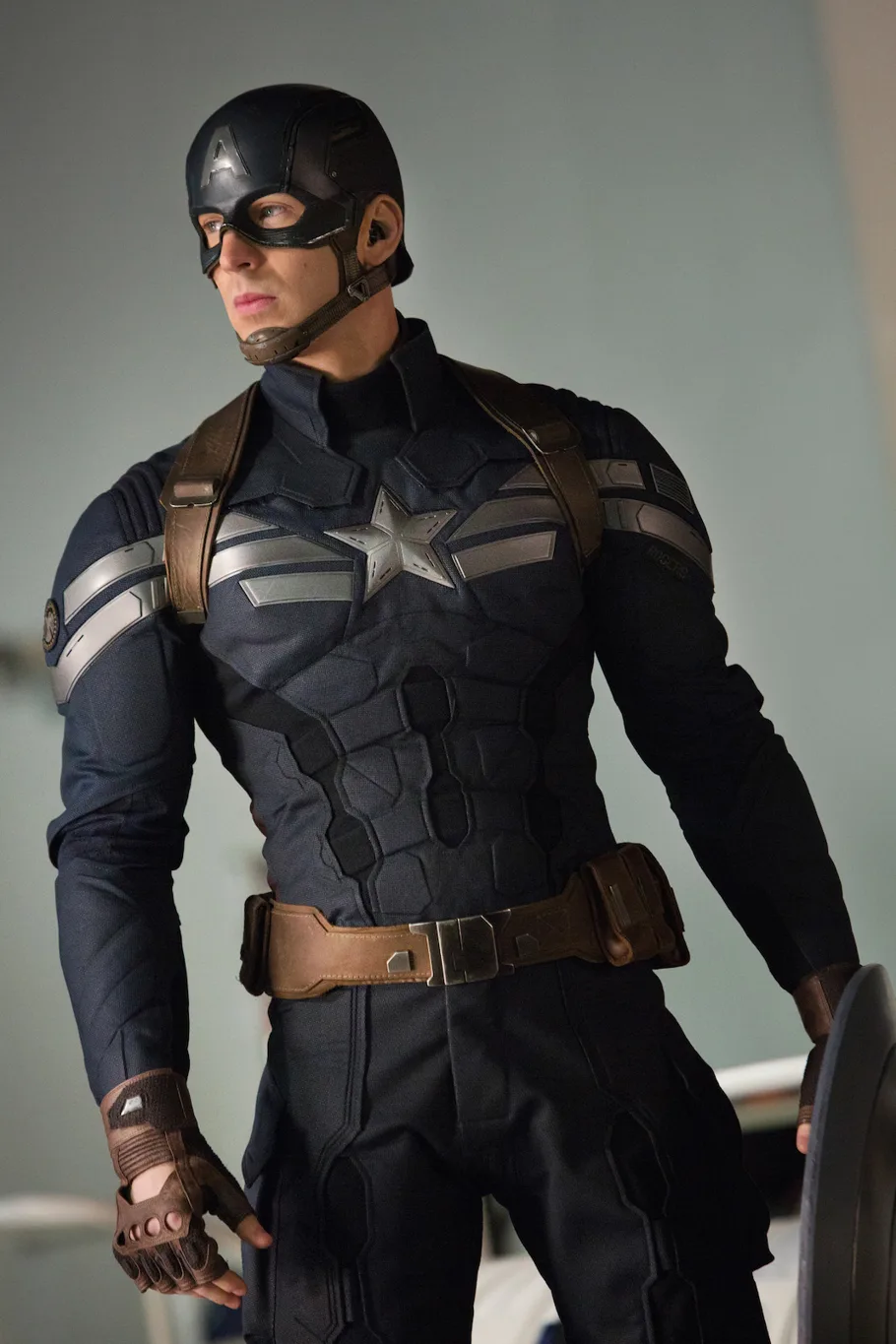
Behind one superhero suit there can be an entire team of fitters, painters, mold makers, and specialists. On Captain America: The Winter Soldier, the Russos wanted Cap’s suit to feel tactical enough for the streets of Washington, D.C., but still let Chris Evans and his stunt doubles move freely. Instead of woven Kevlar, Makovsky’s team printed the same look onto stretch cotton. It was convincing enough that the Russos initially thought it was real.
It’s the kind of detail you’d probably never notice watching the finished film—and for Makovsky, that’s the point. “People say, ‘Oh, we didn’t notice it,’ and I’m like, ‘That’s so good that you didn’t,’” she explains. “You’re not paying attention to the costume, you’re paying attention to the movie.”
By Endgame, years of choices like these had helped make the Avengers instantly recognizable without distracting from the story. As Makovsky puts it, “I want people to watch the actor and hear the lines that they’re saying.”
EPISODE 4: Alan Silvestri: Scoring the Portals Scene
Alan Silvestri doesn’t necessarily sit down with a finished idea of what a scene should sound like. Instead, he watches and waits for something to emerge. “When I see a piece of film, I start to feel a rhythm, I start to feel a mood,” he explains, comparing the process to a sculptor slowly uncovering what’s already there.
Few scenes show that process better than the portal sequence in Avengers: Endgame.
The scene begins with Captain America alone, beaten down and seemingly facing Thanos’ army by himself. Silvestri lets the music disappear almost entirely. “There’s nothing left to play,” he explains. “He’s going to die.”
Then Cap hears Sam’s voice.
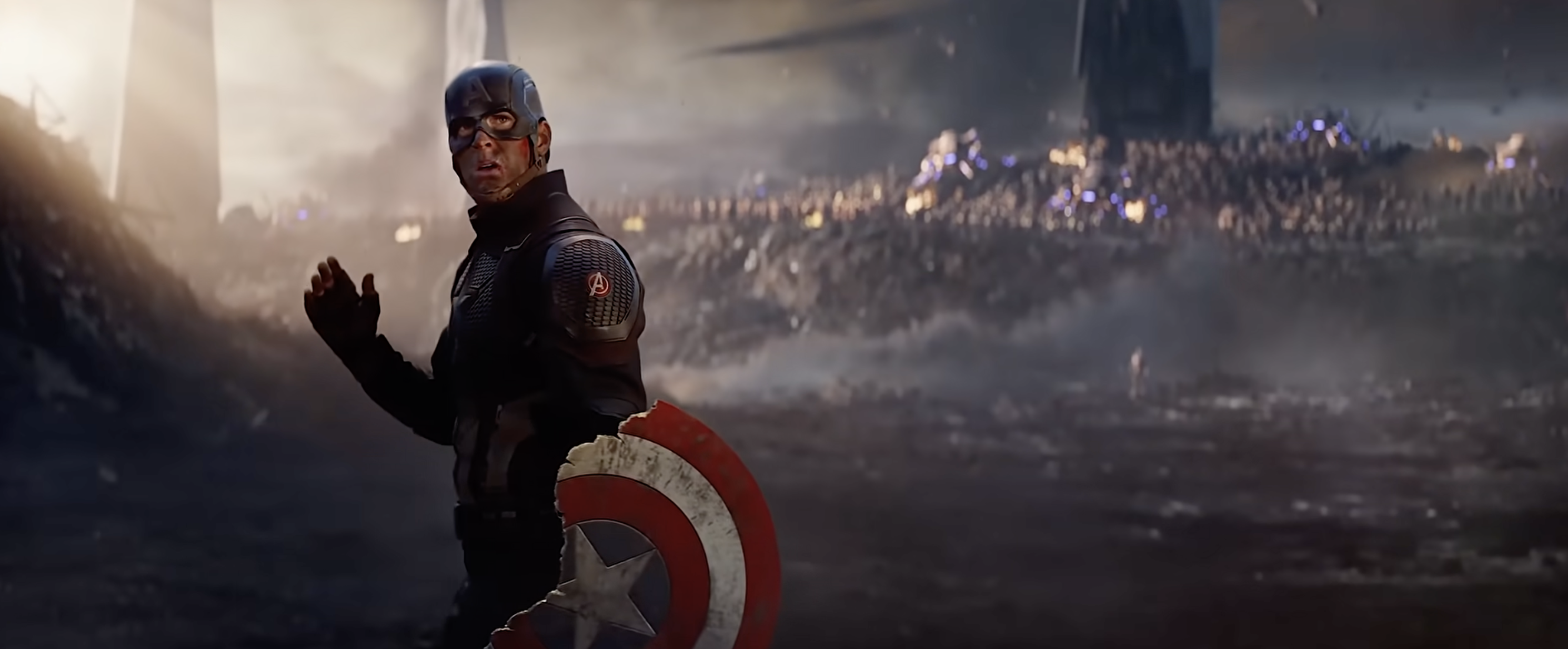
As the portals begin to open, Silvestri slowly brings the music back. A solo trumpet accompanies Cap at his lowest, evoking what Silvestri describes as “the death of a military hero.” But as Black Panther, Spider-Man, Doctor Strange and the rest of the heroes return, the score grows with Cap’s realization that he is no longer alone.
Rather than immediately hitting the audience with the familiar Avengers theme, Silvestri lets that hope build piece by piece. The sequence itself was reworked to stay with Cap’s point of view, allowing each returning hero, and the music alongside them, to slowly bring him back from his lowest point. Only when the heroes are finally assembled does the score reach what Joe Russo calls its “quintessential expression” of the Avengers theme.
Listen closely, and the score is essentially following Cap’s emotions: almost silent when he’s alone, slowly building as his friends return, and finally erupting into the Avengers theme when the team is back together.
EPISODE 5: Chris Castaldi: Coordinating Tony Stark’s Funeral
As first assistant director, Chris Castaldi humbly describes his job as something like a stage manager: coordinating the cast, crew, and countless moving pieces of a shoot so the directors can focus on the scene in front of them. On Infinity War and Endgame, that meant helping manage one of the biggest casts in movie history.
Few moments tested that coordination quite like Tony Stark’s funeral.
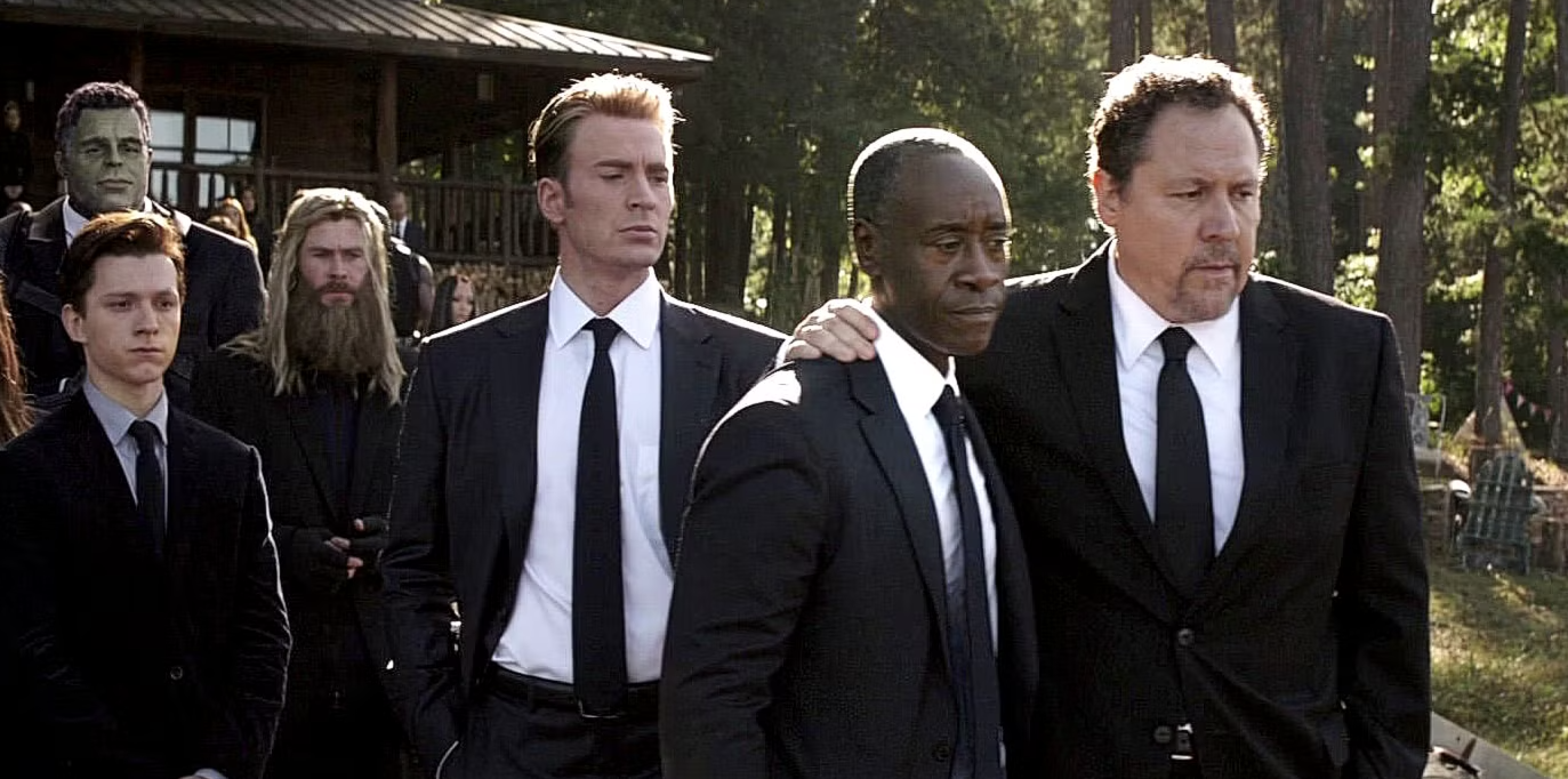
Every actor you see standing by the lake was there in person. No blue screens or movie magic. Planning began more than a year in advance, with the team coordinating schedules to get the massive cast to the same private ranch in Georgia on the same day.
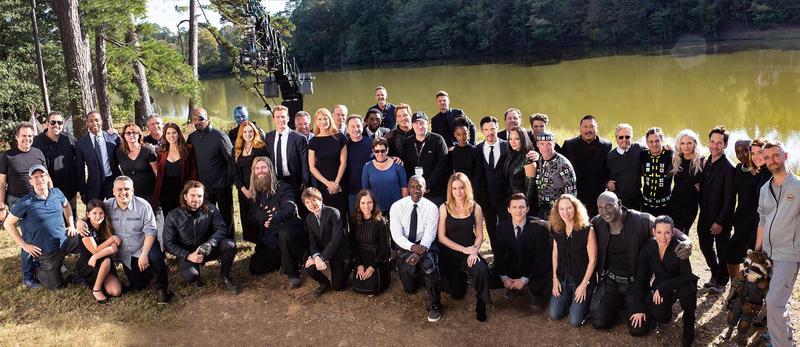
To keep the scene secret, even the actors weren’t told they were attending Tony’s funeral. They were fitted for formal outfits and led to believe they were filming Tony and Pepper’s wedding. Days before the shoot, Castaldi and a small crew rehearsed the entire shot using numbered stand-ins, without revealing which Marvel character each person represented.
When the real cast arrived, everything was already mapped out. “It was the best, coolest shooting day of my life,” Castaldi remembers. A sequence originally scheduled to take two days was so carefully planned that the team finished it in one.
For a scene designed to bring nearly the entire Marvel universe together, some of the biggest work happened long before anyone stepped in front of the camera.
EPISODE 6: Jeff Ford: The Editor Behind Iron Man’s Final Line
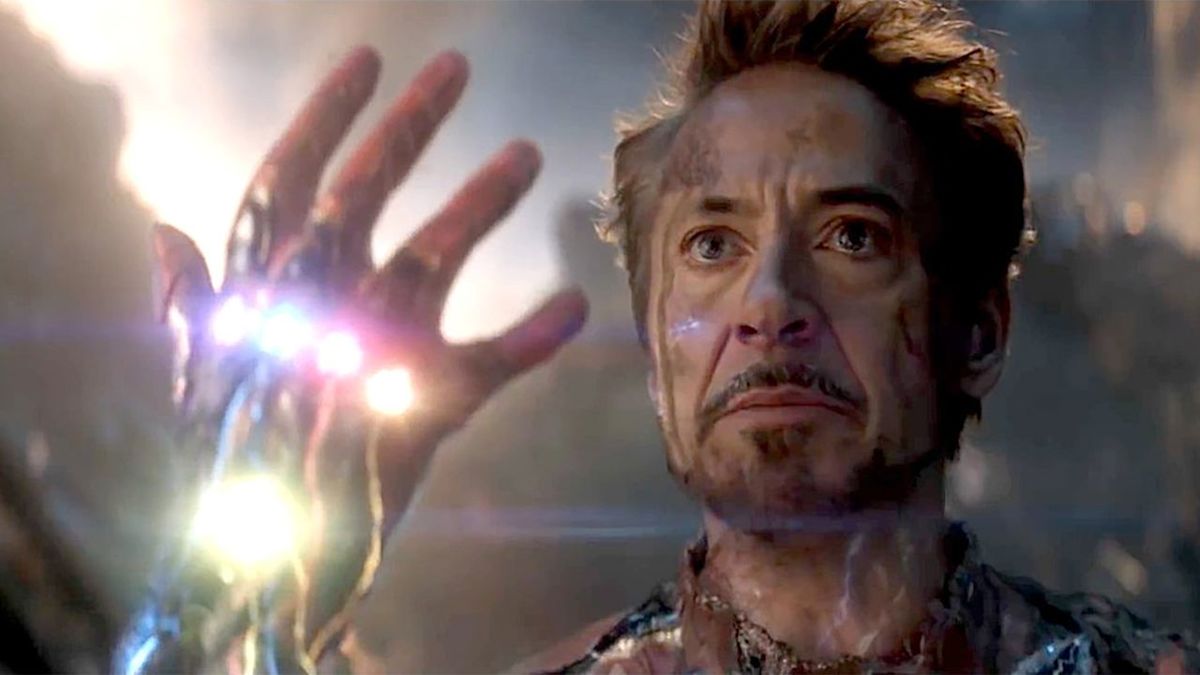
When you think of a film editor, writing one of the most memorable lines in the MCU probably isn’t the first thing that comes to mind. But for Avengers: Endgame editor Jeff Ford, the two have always been closely connected.
“For me, editing is writing,” Ford explains. For him, the story continues to take shape in the edit, where structure, rhythm, and performance can transform what was originally on the page.
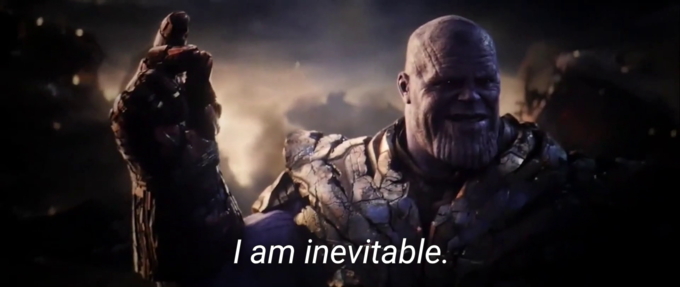
One of the best examples came during Tony Stark’s final confrontation with Thanos. They had Thanos say, “I am inevitable,” but nothing Tony said felt worthy of the moment. At one point, the filmmakers considered having him say nothing.
Then Ford suggested: “I am Iron Man.”
The line completed the exchange while calling back to Tony’s declaration at the end of the first Iron Man. Ford saw a symmetry in bringing Tony back to the words that started his story, this time as he finally accepted who he was.
Anthony Russo remembers Ford casually tossing out the line in the editing room. “All of a sudden this weight lifted,” he recalls. And with that, one of Endgame’s most memorable moments finally clicked into place.
And there’s plenty more where these stories came from! Catch all three seasons of Pizza Film School on YouTube, or listen along on Spotify and Apple Music for more conversations with the filmmakers and creative partners behind the movies.




.jpg)
Hello from the Russo Brothers!
We make content for fans, and here on AGBOVERSE we are giving you an exclusive behind the scenes look at our content. Sign up now to make sure you don’t miss a thing!

.svg)

.svg)
.svg)