.png)
And Why Horror Keeps Coming Back to Them...
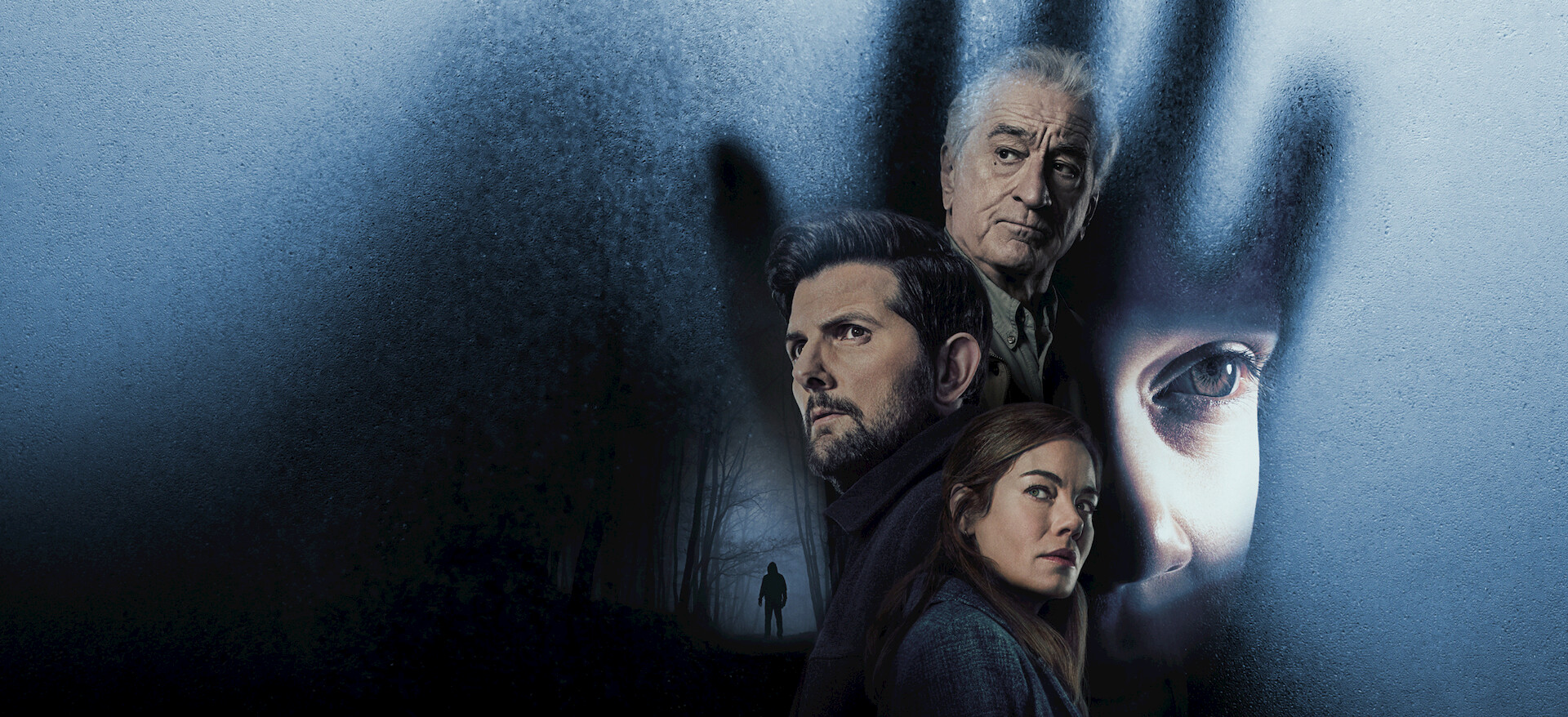
Before there were masked killers, possessed dolls, and haunted videotapes, there were whispers.
Stories passed quietly from one person to another. Warnings shared around campfires. Rumors about someone—or something—that lived just beyond the edge of town. Horror has always relied on whispers because whispers invite participation. They ask us to lean closer, listen harder, and imagine what hasn't yet been revealed.
That's exactly why they remain one of the genre's most effective storytelling tools.
As The Whisper Man arrives this August on Netflix, it's worth looking at why some of horror's most unforgettable moments don't begin with a scream. They begin with someone lowering their voice.
Horror Works Best When It Doesn't Tell You Everything

One of Alfred Hitchcock's most famous observations was that suspense comes from information withheld—not information revealed.
Horror operates the same way.
A scream is definitive. It tells the audience something terrible has already happened.
A whisper does the opposite.
It suggests something is wrong without explaining why.
The audience immediately begins searching for answers. Who's speaking? Who are they speaking to? Did anyone else hear it?
The uncertainty becomes part of the experience.
Rather than simply watching the film, you're now participating in it.
Your Brain Is Doing Half the Work

Psychologists have long studied humanity's discomfort with ambiguity. When we're presented with incomplete information, our brains instinctively begin filling in the missing pieces.
That's wonderful for storytelling.
And terrible for your sleep.
The monster you imagine behind a closed door is almost always scarier than the one eventually revealed. A voice heard through a hallway is often more unsettling than a face appearing in the light. Horror filmmakers understand this instinct better than almost anyone.
They know audiences are remarkably good at frightening themselves.
The Best Horror Movies Weaponize Sound

Look back at some of the genre's defining films and you'll notice how rarely the biggest scares come from what you actually see.
In The Blair Witch Project, the witch remains almost entirely unseen. Instead, distant voices, cracking branches, and sounds outside the tent force audiences to imagine what might be lurking in the woods.
Hereditary transforms something as ordinary as a tongue click into one of modern horror's most unsettling audio cues, conditioning viewers to expect dread before anything frightening even appears.
A Quiet Place flips the concept entirely, turning silence into survival. Every whisper, every footstep, every accidental noise becomes part of the suspense because the audience understands the consequences before the characters do.
Even The Ring builds much of its tension through quiet conversations, unanswered questions, and the slow realization that something impossible is happening.
The common thread isn't volume.
It's restraint.
Whispers Make Horror Feel Personal

There's another reason whispers endure: they're intimate.
A scream fills a room.
A whisper feels like it's meant for one person.
That's why whispered voices appear so often in ghost stories and psychological horror. They create the unsettling feeling that whatever is speaking isn't addressing the crowd—it's addressing you.
That intimacy transforms ordinary dialogue into something invasive.
It's no longer background noise.
It's a secret you weren't supposed to hear.
From Folklore to Modern Horror
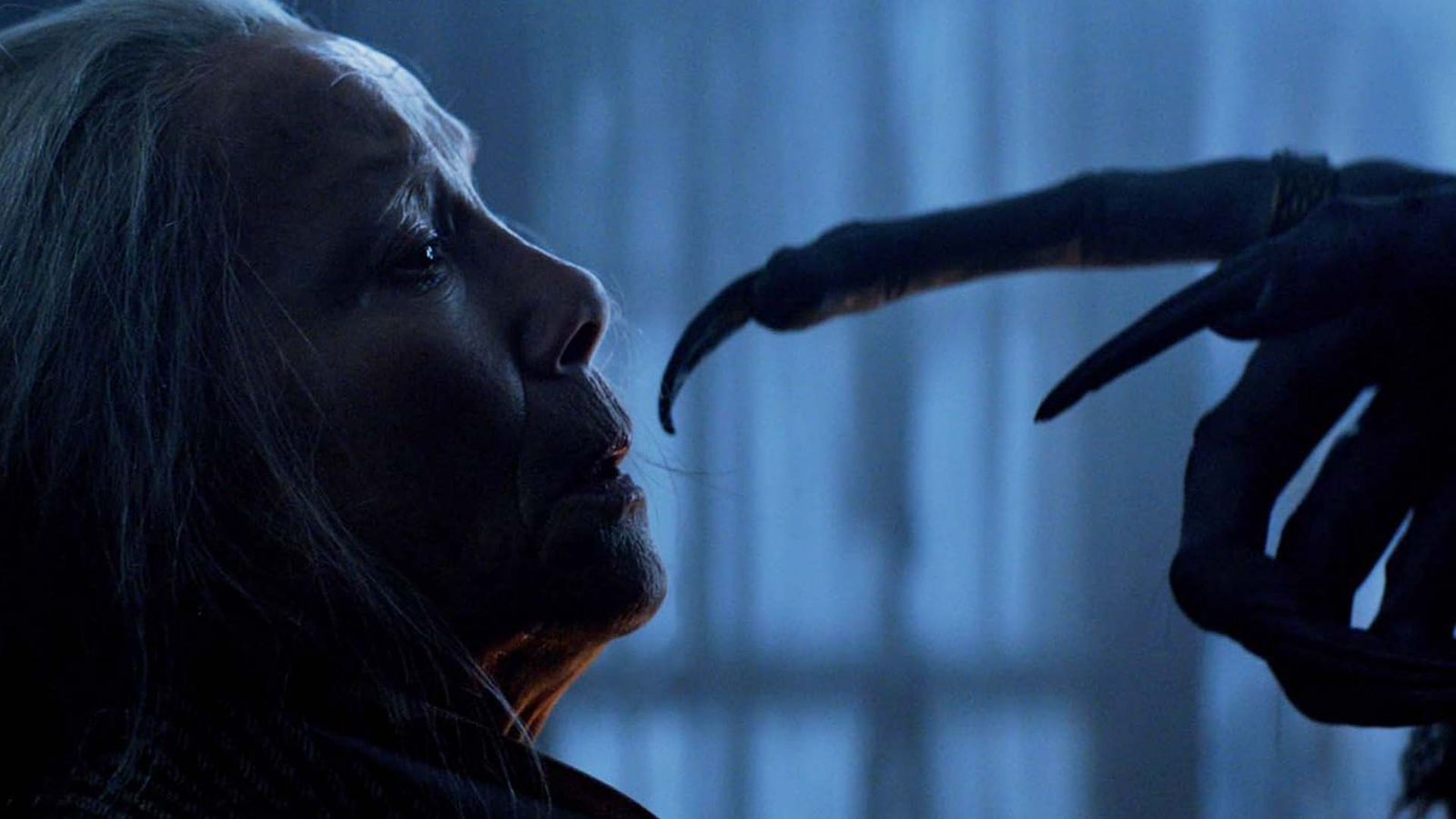
Long before horror films existed, whispers carried folklore.
Urban legends weren't shouted across villages.
They were quietly passed from friend to friend.
"Don't go into those woods."
"Did you hear what happened to the family down the road?"
"People say you can still hear them at night."
The delivery mattered just as much as the story itself.
That tradition hasn't disappeared—it simply evolved into cinema.
Modern horror still relies on the same instinct. Whether it's an unseen voice, an imaginary friend, or someone speaking from somewhere they shouldn't be, whispers immediately suggest that knowledge is being shared carefully for a reason.
And if someone is whispering...
Something is probably listening.
Why The Whisper Man Feels Right at Home
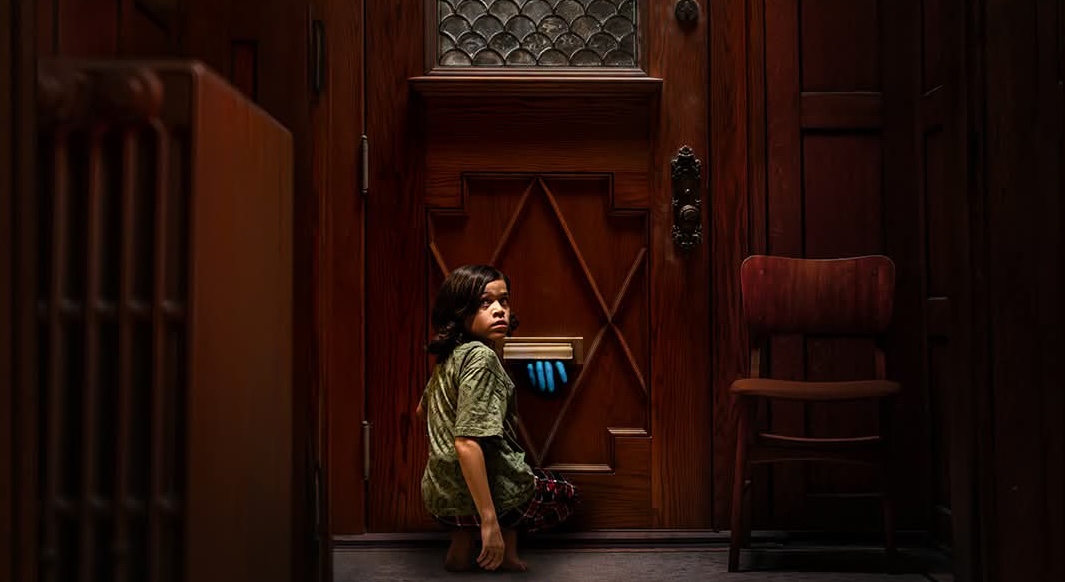
Every generation of horror finds a new way to tell the same story.
Sometimes it's a videotape. Sometimes it's an old house. Sometimes it's a masked stranger standing at the end of a hallway. The object changes, but the storytelling principle rarely does: reveal just enough to unsettle the audience, then trust them to do the rest.
That makes The Whisper Man feel like a natural continuation of one of horror's oldest traditions. Its central image isn't built around an elaborate creature or a spectacle-driven reveal. Instead, it begins with something much more familiar—a voice. A whisper. The kind of sound that immediately makes you stop, listen, and wonder who, or what, is speaking.
The film understands that whispers don't simply create atmosphere; they create participation. The audience leans in, searching every frame for answers before the characters have them. Every unanswered question builds tension because the imagination starts working long before the story provides an explanation.
That's why whispers continue to endure as one of horror's most effective devices. They don't tell you where the danger is—they suggest it's already close. And once your mind begins filling in those blanks, the movie no longer has to convince you to be afraid.
You're already doing that yourself.





.jpg)
Hello from the Russo Brothers!
We make content for fans, and here on AGBOVERSE we are giving you an exclusive behind the scenes look at our content. Sign up now to make sure you don’t miss a thing!

.svg)

.svg)
.svg)